Table of Contents
Overview
Glaucoma refers to a group of diseases that damage the optic nerve, which carries visual information from the back of the eye to the brain. It is one of the leading causes of permanent blindness worldwide.
Glaucoma is neither preventable nor curable; once nerve fibers die and visual function is lost, it cannot be recovered. Only the progression of the disease can be halted with appropriate treatment to preserve remaining vision; hence it is imperative to detect the disease in its earliest stage.
Often, glaucoma is asymptomatic. Therefore, people suffering from glaucoma may lose vision without knowing it. Regular eye checkup is an important way to detect glaucoma.
Risk factors for glaucoma include age, family history, the shape of the eye, race/ethnicity, and increased eye pressure. People who have high eye pressure are at higher risk for glaucoma.
There are several types of glaucoma, and treatment depends on properly identifying which type is present. One factor which is common to all forms of glaucoma is damage to the optic nerve.
All types of glaucoma need some form of treatment which depends on the type and severity of glaucoma. It may be in the form of medication, laser therapy or surgery.
Glaucoma Dept. of IIEIH is the largest national referral center for secondary and tertiary management of glaucoma. It manages over 30,000 glaucoma attendances annually. Our super-specialized glaucoma consultants manage both pediatric and adult glaucoma cases with around 3000 glaucoma surgeries performed every year.
Diagnosis & Treatment
Diagnosis and monitoring of glaucoma: Our Glaucoma imaging service utilizes sophisticated, state-of-the-art diagnostic facilities for early detection and monitoring of glaucoma. These include:
- Optic Disc Imaging: Clinical documentation of glaucomatous optic disc damage and monitoring of glaucomatous progression.
- Automated Visual Field Analysis (Humphrey Visual Field Analyzer and Octopus Visual Field Analyzer): Functional evaluation of the glaucomatous visual field defects.
- Optical Coherence Tomography (OCT):Optic nerve head and retinal nerve fiber layer imaging technology for structural evaluation of the optic disc to document glaucomatous nerve damage and monitor progression.
- Anterior Segment OCT (AS-OCT) and Ultrasound Bio-microscopy (UBM): For anterior chamber angle evaluation.
- OCT-Angiography (OCT-A): Blood flow and blood vessels density of the optic nerve and retinal nerve fiber layer measurement for early detection of glaucomatous damage.
Treatment: All types of glaucoma need some form of treatment from a glaucoma specialist. Treatment depends on the type of glaucoma and how far it has progressed, as well as other factors. Treatment modalities may include:
- Medications (eye drops)
- Laser surgery: We perform more than 12,000 laser procedures annually and these includes: laser peripheral iridotomy, selective laser trabeculoplasty, and YAG-laser capsulotomy.
- Surgical procedures: Various glaucoma surgeries for both pediatric and adult patients are performed which include: trabeculectomy with anti-metabolites and collagen matrix implant; trabeculotomy with and without trabeculectomy; combined trabeculectomy (with anti-metabolites) and cataract surgery; bleb Revisions; bleb needling with anti-metabolites;
- Glaucoma drainage device implant: For refractory glaucoma; which cannot be controlled with maximum antiglaucoma medication and traditional glaucoma surgery. It includes: Ahmed Glaucoma Valve (AGV); or Auro Aqueous Drainage Device (AADI) implant
- Diode laser Cyclophotocoagulation (DLCP): For refractory glaucoma management. Very good option and noninvasive procedure for the management of this glaucoma. It is only available in our hospital in Bangladesh.
Our Glaucoma Surgeons
About
Dr. Syed Jahangir Kabir is working as consultant in glaucoma and phaco surgery. Now he is the most senior doctor in glaucoma dept. Having completed graduation from Sylhet M A G Osmani medical College, he passed FCPS in Ophthalmology from the Bangladesh College of physicians and surgeons. He has also passed Diploma in Ophthalmology(DO).He completed long-term fellowship in Glaucoma from Ispahani Islamia eye institute and Hospital, Bangladesh with an observership from
Aravind Eye Hospital, Coimbatore, Tamilnadu, India.
He has performed high volume of cataract, glaucoma surgeries including valve implants and laser glaucoma surgeries. He has special interest in innovating modification in glaucoma surgery to make it more suitable and safe for glaucoma patients.
In addition to his clinical responsibilities, he actively served the academic wing of the Institute. He trained many national and international fellows and postgraduate students and involved in research with national and international publications.
Specialty
Glaucoma Ophthalmology
Qualifications
- MBBS
- DO
- FCPS
Experience
Published Papers & Journals
About
Dr. Salma Manjur is a comprehensive ophthalmologist specializing in glaucoma. She Graduated from Rangpur Medical college and has been achieved diploma in ophthalmology (D.O) and she completed long term fellowship in glaucoma of IIEIH. Now she is working as glaucoma consultant in Ispahani Islamia Eye institute and Hospital. She is married to Dr. Md. Anamul Hoque and has two sons.
Specialty
Glaucoma Ophthalmology
Qualifications
- MBBS
- DO
Experience
Published Papers & Journals
About
Dr. Tania Rahman Chhara is a comprehensive ophthalmologist specialized in glaucoma. She graduated from Kumudini Women's Medical College, Mirzapur, Tangail. She awarded the FCPS (Eye) degree and also achieved Diploma in Ophthalmology (DO). She has completed her long-term fellowship in glaucoma from IIEIH & Aravind Eye Hospital, India. Now she is working as consultant in glaucoma department and doing glaucoma as well as cataract surgery. She is also performing Assistant Professor role in education department of Ispahani Islamia Eye Institute & Hospital. She is the life member of Bangladesh Society of Ophthalmology (OSB), Member of Bangladesh Glaucoma Society (BGS), Member of Bangladesh Young Ophthalmologists Society (BYOS). Dedicated to becoming one of the top glaucoma surgeon in Bangladesh.
Specialty
Glaucoma Ophthalmology
Qualifications
- MBBS
- DO
- FCPS
Experience
Published Papers & Journals
About
Dr. Anisur Rahman Khan is working as a Consultant in Glaucoma and Phaco Surgery. Having completed MBBS from Rajshahi Medical college. He passed FCPS in Ophthalmology from Bangladesh College of Physicians and Surgeons. He completed long-term Fellowship in Glaucoma from Ispahani Islamia Eye Institute and Hospital.
He has performed high volume of cataract, glaucoma and laser glaucoma surgeries.
He also performing Assistant Professor role in Education Department of Ispahani Islamia Eye Institute and Hospital.
Specialty
Glaucoma Ophthalmology
Qualifications
- MBBS
- DO
- FCPS
Experience
Research Activities
Published Papers & Journals
About
Dr. Md. Iftekher Iqbal is working as a Consultant in Glaucoma Department. After completion of his graduation (MBBS) from Ibrahim Medical College, Dhaka, Bangladesh, he worked as a Resident Medical Officer (Ophthalmology) at BIRDEM General Hospital. Later, he finished his Post-graduation (Master of Surgery-MS) in Ophthalmology from Bangabandhu Sheikh Mujib Medical University (BSMMU). He completed his long-term Fellowship in Glaucoma from Ispahani Islamia Eye Institute and Hospital.
Highly experienced in performing comprehensive visual examinations to determine the presence and extent of ocular disorders. Extensive surgical experiences, especially with cataracts and glaucoma, like Phaco, MSICS, and combined with glaucoma surgery as well as with advanced glaucoma surgery (e.g., glaucoma drainage devices), pediatric glaucoma surgery, and different laser procedures.
Well-organized and precise with excellent multitasking skills and sound judgment. Safe, reliable, understanding, and recognized by associates for first-rate performance and patient services.
He is passionate about increasing knowledge to drive growth and needed improvements with experience in scientific research works and presented several of his research works nationally and internationally.
Specialty
Glaucoma Ophthalmology
Qualifications
- MBBS
- MS (Oph.)
Experience
Research Activities
Published Papers & Journals
EDUCATION
- Residents who are specializing in ophthalmology for rotate through the Glaucoma Dept.
- We also run the long-term fellowship program (18 months), as well as short-term observership within the country. Fellows are ophthalmologists who have subspecializing in glaucoma.
RESEARCH ACTIVITIES:
- Carry out various clinical research throughout the year.
- Research collaboration with different international hospitals and organizations.4
- Publishing completed research in different national and international peer-reviewed journals.
- Presenting research works at different national and international prestigious conferences, seminars and clinical meetings.
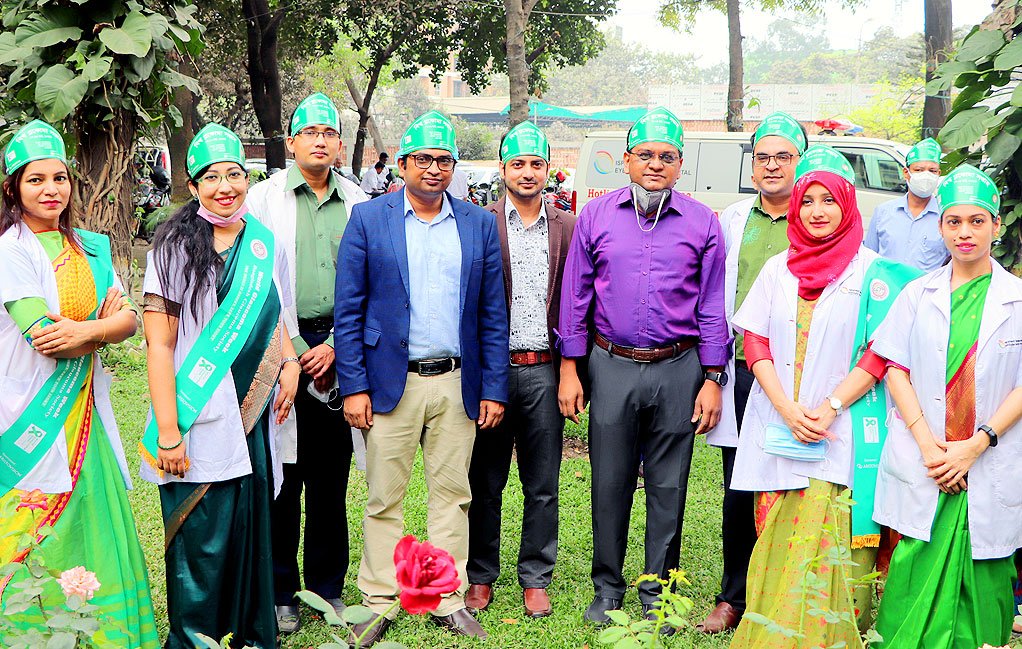
ACTIVITIES (GLAUCOMA WEEK)